


 Beautiful, Cost-Effective Kitchen Remodels for Southcentral Alaska
How to Create a Functional and Stylish Kitchen: Cabinets, Layouts, and Modern Remodeling Trends
April 13, 2026Designing a kitchen that is both functional and stylish is one of the most rewarding home improvement projects. The kitchen serves as the heart of the home a space where cooking, dining, and socializing all come together. Achieving the perfect balance between practicality and aesthetics requires thoughtful planning, smart material choices, and an understanding of modern design trends.
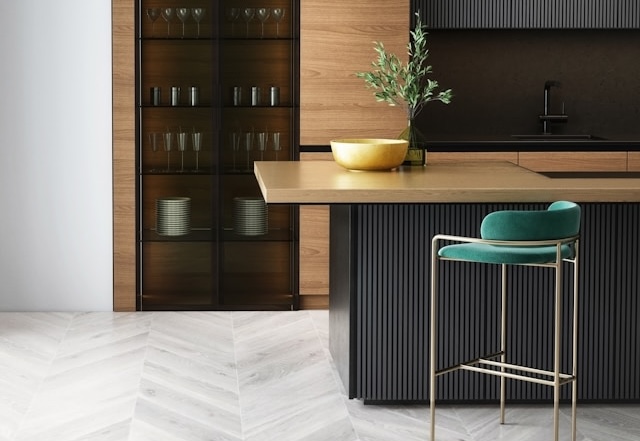
This guide explores How to Create a Functional and Stylish Kitchen: Cabinets, Layouts, and Modern Remodeling Trends, providing insights into layout planning, cabinetry, lighting, materials, and design innovations that can transform any kitchen into a highly efficient and visually appealing space.
Understanding Functional Kitchen Design
At the core of every successful kitchen is functionality. A functional kitchen design prioritizes usability, efficient workflow, and smart storage solutions. The principle of “form follows function” is especially relevant in kitchen remodeling, where every design choice should serve a practical purpose.
A well-designed kitchen ensures that all essential elements—such as the sink, stove, and refrigerator—are positioned to minimize movement and maximize efficiency. This concept is often referred to as the “kitchen work triangle.”
Ergonomics also plays a key role. Proper counter heights, accessible storage, and sufficient spacing between appliances contribute to a more comfortable and efficient cooking experience. For example, placing frequently used items within easy reach reduces strain and saves time during meal preparation.
Accessibility is another important factor, particularly for households with diverse needs. Features such as pull-out shelves, soft-close drawers, and adjustable cabinets enhance usability while maintaining a clean and organized look.
Exploring Modern Kitchen Trends
Modern kitchen design continues to evolve, blending simplicity with innovation. One of the most prominent trends is minimalism, characterized by clean lines, clutter-free surfaces, and neutral color palettes.
Open shelving has become a popular alternative to traditional upper cabinets, offering a more open and airy feel. It allows homeowners to display decorative items while keeping frequently used kitchenware easily accessible.
Smart kitchens are another growing trend. Integrated technology—such as touchless faucets, smart refrigerators, and voice-controlled lighting—enhances convenience and efficiency. These features not only improve functionality but also add a modern, high-tech touch to the space.
Multi-functional kitchen islands are also gaining popularity. These versatile features serve as preparation areas, dining spaces, and storage units, making them a central element in modern kitchen design.
By incorporating these trends, homeowners can create kitchens that are both stylish and highly functional.
The Role of Kitchen Islands
Kitchen islands have become a defining feature in contemporary kitchens. They serve as a central hub for cooking, dining, and socializing, making them one of the most valuable additions to any kitchen layout.
A well-designed island can include a variety of features, such as sinks, cooktops, storage cabinets, and seating areas. This versatility allows it to accommodate multiple activities simultaneously, enhancing the overall functionality of the kitchen.
However, proper spacing is essential when incorporating an island. Adequate clearance—typically at least 36 to 48 inches around the island—ensures smooth movement and prevents overcrowding.
In addition to functionality, kitchen islands contribute to the aesthetic appeal of the space. They can serve as a focal point, with contrasting materials or colors that add visual interest.
When thoughtfully integrated into the layout, a kitchen island can significantly enhance both usability and style.
Cabinetry and Storage Solutions
Cabinets are a fundamental component of kitchen design, influencing both storage capacity and visual appeal. Choosing the right cabinetry is essential for achieving a balance between functionality and style.
Modern cabinets often feature sleek, minimalist designs with flat-panel doors and hidden hardware. Neutral colors such as white, gray, and beige remain popular, as they create a timeless and versatile look.
Storage solutions have also evolved to meet the demands of modern living. Features such as pull-out shelves, vertical dividers, and corner storage systems maximize space and improve accessibility.
Custom cabinetry offers the highest level of flexibility, allowing homeowners to tailor designs to their specific needs. However, semi-custom and stock options can also provide excellent functionality at a more affordable cost.
By investing in smart storage solutions, homeowners can keep their kitchens organized and clutter-free, enhancing both efficiency and aesthetics.
Lighting Design: Enhancing Functionality and Ambiance
Lighting is a critical yet often overlooked aspect of kitchen design. A well-lit kitchen not only improves functionality but also creates a welcoming and comfortable atmosphere.
Effective kitchen lighting typically involves three layers:
- Ambient lighting, which provides overall illumination
- Task lighting, focused on work areas such as countertops and sinks
- Accent lighting, used to highlight design features and add visual interest
Under-cabinet lighting is particularly useful for task lighting, as it illuminates work surfaces and reduces shadows. This makes food preparation safer and more efficient.
LED lighting has become the preferred choice for modern kitchens due to its energy efficiency, long lifespan, and versatility. It is available in a variety of color temperatures, allowing homeowners to create the desired ambiance.
Organizations such as the American Lighting Association (https://www.americanlightingassoc.com) offer valuable guidance on selecting and implementing effective lighting solutions.
Choosing High-Quality Materials
Material selection plays a significant role in both the durability and appearance of a kitchen. High-quality materials not only enhance aesthetics but also ensure long-term performance.
Flooring options include tile, hardwood, and vinyl, each offering different benefits. Tile is durable and water-resistant, making it ideal for kitchens, while hardwood adds warmth and elegance. Vinyl provides a cost-effective and low-maintenance alternative.
Countertops and finishes should also be chosen with durability in mind. Materials that resist scratches, stains, and heat are essential for maintaining the kitchen’s appearance over time.
Investing in high-quality materials may require a higher upfront cost, but it often results in lower maintenance expenses and greater long-term value.
Remodeling ROI: Maximizing Your Investment
Kitchen remodeling is widely regarded as one of the most valuable home improvement projects in terms of return on investment (ROI). A well-designed kitchen can significantly increase the resale value of a property.
Interestingly, mid-range remodels often yield better ROI than high-end luxury upgrades. By focusing on practical improvements—such as updated cabinets, modern appliances, and efficient layouts—homeowners can achieve a strong return without overspending.
According to resources like the Remodeling Magazine Cost vs. Value Report (https://www.remodeling.hw.net), kitchen upgrades consistently rank among the top projects for value retention.
Balancing cost and quality is key to maximizing ROI. Prioritizing upgrades that enhance both functionality and aesthetics ensures that the investment delivers lasting benefits.
How Design Elements Work Together
One of the most important aspects of How to Create a Functional and Stylish Kitchen: Cabinets, Layouts, and Modern Remodeling Trends is understanding how different design elements interact.
Lighting and functionality are closely linked. Proper lighting enhances usability by making work areas more visible and accessible.
Materials and ROI are also interconnected. High-quality materials not only improve durability but also increase the overall value of the home.
The kitchen island plays a central role in layout design, influencing traffic flow and serving as a focal point for both functionality and style.
By considering these relationships, homeowners can create a cohesive design that meets both practical needs and aesthetic goals.
Practical Takeaways for Homeowners
When planning your kitchen design or remodel, keep the following tips in mind:
- Combine style with functionality for the best results
- Plan your layout carefully to optimize workflow and space
- Invest in smart storage solutions to reduce clutter
- Use layered lighting to enhance both usability and ambiance
- Choose durable materials that offer long-term value
- Focus on upgrades that improve both functionality and resale value
For inspiration and design ideas, platforms like Houzz (https://www.houzz.com) provide a wealth of resources and examples.
If you are considering a professional remodel, you can also explore services here: https://www.anchoragekitchenremodeling.com/
Conclusion
Understanding How to Create a Functional and Stylish Kitchen: Cabinets, Layouts, and Modern Remodeling Trends is essential for designing a space that meets the demands of modern living. By focusing on functionality, incorporating current trends, and investing in quality materials, homeowners can create kitchens that are both practical and visually appealing.
From smart storage solutions to innovative lighting and multi-functional islands, every element plays a role in shaping the overall design. By taking a thoughtful and integrated approach, it is possible to transform any kitchen into a space that enhances daily life while adding long-term value to the home.