


 Beautiful, Cost-Effective Kitchen Remodels for Southcentral Alaska
How to Avoid Common Kitchen Remodeling Mistakes in Anchorage, AK
May 12, 2026Kitchen remodeling in Anchorage, Alaska comes with unique challenges that go beyond standard renovation planning. Between extreme seasonal weather, higher material logistics costs, and the need for long-term durability in cold climates, homeowners must plan more carefully to avoid costly mistakes. Many issues arise not from design itself, but from poor preparation, unclear budgeting, and overlooking functional details that matter in everyday use.
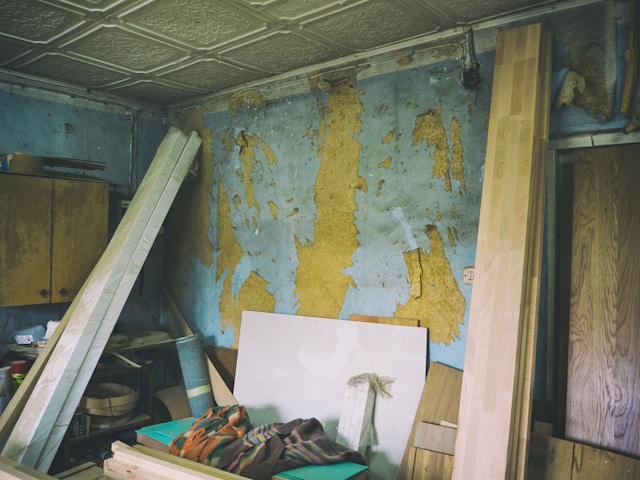
Below is an entity-focused breakdown of the most common kitchen remodeling mistakes in Anchorage—and how to avoid them with practical, real-world planning strategies.
1. Poor Planning Before Construction Starts
One of the biggest remodeling mistakes is starting demolition without a fully finalized plan. In Anchorage, this becomes even more critical because delays in material shipping and contractor availability can extend timelines significantly.
Many homeowners rush into design decisions, only to change layouts mid-project. This leads to wasted materials, increased labor costs, and longer periods without a usable kitchen.
In fact, industry guidance consistently shows that unclear planning is one of the main causes of renovation failure, leading to mismatched designs and budget overruns.
How to avoid it:
- Finalize layout, cabinet placement, and appliance positioning before work begins
- Use detailed drawings or 3D kitchen planning tools
- Confirm all material selections early (cabinets, countertops, flooring)
- Account for Alaska-specific shipping delays
2. Ignoring Kitchen Workflow and Layout Efficiency
A functional kitchen is built around workflow—not aesthetics alone. Many remodeling regrets come from poor placement of the sink, stove, and refrigerator.
The classic “work triangle” is still essential because it improves movement and efficiency while cooking. Poor spacing creates daily frustration and inefficiency.
In Anchorage homes, where kitchens often serve as central family spaces during long winters, poor layout planning becomes even more noticeable.
How to avoid it:
- Keep sink, stove, and refrigerator within efficient distance
- Maintain clear walkways (at least 36–48 inches)
- Ensure appliance doors can fully open without obstruction
- Simulate movement patterns using tape before construction
3. Underestimating Budget and Hidden Costs
Kitchen remodels in Anchorage often cost more than expected due to labor rates, shipping fees, and unexpected structural repairs. Many homeowners underestimate total costs and run into financial stress mid-project.
A common issue is failing to include contingency funds for surprises like plumbing upgrades or electrical corrections.
How to avoid it:
- Add at least 15–20% contingency to your budget
- Get detailed contractor quotes before demolition
- Account for appliance delivery and installation costs
- Plan for possible structural repairs in older homes
4. Choosing Materials Without Considering Climate Conditions
Anchorage’s cold climate and temperature fluctuations can affect materials differently than in warmer regions. For example, wood expansion, moisture buildup, and condensation issues are more common.
Homes in Alaska may also experience hidden issues like water damage or mold that only become visible during renovation.
How to avoid it:
- Choose moisture-resistant cabinetry materials
- Prioritize quartz or sealed stone countertops over porous materials
- Ensure proper ventilation systems are installed
- Inspect for hidden water damage before remodeling begins
5. Poor Storage and Counter Space Planning
A major regret in kitchen remodeling is not allocating enough usable storage and countertop space. When space is limited or poorly designed, kitchens quickly become cluttered and inefficient.
Insufficient prep space directly impacts cooking workflow and daily usability.
How to avoid it:
- Incorporate deep drawers instead of only cabinets
- Use vertical storage and pull-out organizers
- Include a functional kitchen island if space allows
- Keep countertops free for actual food preparation
6. Overlooking Lighting and Electrical Planning
Many homeowners focus on cabinets and finishes but forget lighting design. Poor lighting can make even a newly remodeled kitchen feel incomplete or unsafe.
Modern kitchen design requires layered lighting:
- Ambient lighting (overall illumination)
- Task lighting (cooking/prep areas)
- Accent lighting (design highlights)
How to avoid it:
- Add under-cabinet lighting for prep zones
- Plan outlet placement early in design
- Avoid relying on a single overhead light
- Ensure compliance with electrical codes for safety
7. Hiring Based Only on Price, Not Experience
In Anchorage, contractor quality can vary widely. Choosing the cheapest option often leads to poor workmanship, delays, and code issues.
Kitchen remodeling involves multiple trades—electrical, plumbing, cabinetry, flooring—so coordination matters as much as price.
How to avoid it:
- Check contractor experience with kitchen remodels specifically
- Ask for detailed timelines and past project examples
- Verify licensing and insurance
- Prioritize communication and transparency over low bids
8. Not Planning for Appliance Integration Early
A common mistake is selecting appliances too late in the process. This causes mismatched cabinet sizing, awkward layouts, or installation delays.
Modern kitchen design depends heavily on precise appliance integration, especially built-in refrigerators, ovens, and ventilation systems.
How to avoid it:
- Choose appliances before finalizing cabinet layout
- Confirm exact dimensions with installers
- Ensure proper clearance for ventilation and heat
- Coordinate appliance delivery with construction phases
9. Ignoring Ventilation and Moisture Control
In colder climates like Anchorage, poor ventilation can lead to moisture buildup, odors, and even long-term mold issues. This is especially problematic in tightly sealed, energy-efficient homes.
Poor ventilation is one of the most overlooked construction problems in kitchen remodels.
How to avoid it:
- Install a properly vented range hood to the exterior
- Avoid recirculating-only ventilation systems in heavy-use kitchens
- Include humidity control considerations in design
- Ensure airflow planning is part of early layout decisions
10. Following Trends Instead of Long-Term Function
One of the most common remodeling regrets is designing a kitchen based purely on short-term trends instead of long-term usability.
Trendy finishes or layouts may look appealing initially but can quickly become outdated or impractical.
How to avoid it:
- Choose timeless cabinet and countertop designs
- Use trends in easily changeable elements (paint, décor, hardware)
- Prioritize function over aesthetics for core layout decisions
- Think about resale value in Anchorage’s housing market
Final Thoughts
Avoiding kitchen remodeling mistakes in Anchorage, AK requires more than just design inspiration—it requires strategic planning, climate awareness, and realistic budgeting. The most successful renovations come from balancing aesthetics with function, while preparing for the unique logistical and environmental challenges of Alaska homes.
When homeowners focus on workflow, storage, durability, and proper contractor coordination, the result is a kitchen that not only looks good but performs efficiently for years in a demanding climate.